Before You Buy More Plants: 7 Yard Design Problems to Fix First
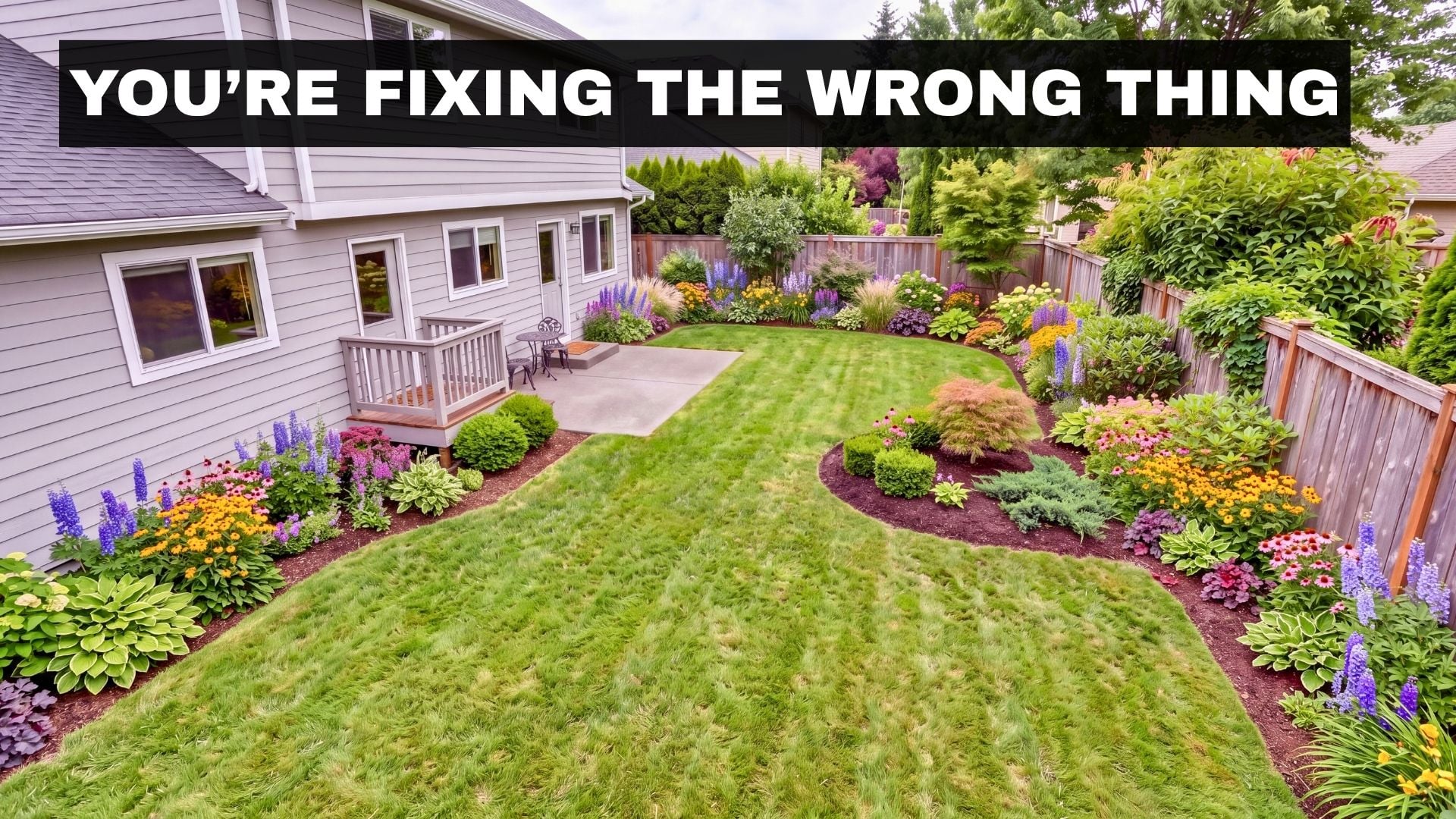
When a yard doesn't look right, buying another plant feels like the obvious solution.
Maybe the front of the house feels bare, so you add another shrub. The backyard feels unfinished, so you create another flower bed. The patio feels exposed, so you plant a row of evergreens.
Sometimes that works.
But sometimes the plants aren't actually the problem.
The planting bed may be too small. The scale may be wrong. People may not have a reason to use the space. The yard may be fighting the way your family naturally moves through it.
Before making another trip to the nursery, it helps to figure out what problem you're actually asking the plants to solve.
Why Doesn't Adding More Plants Fix My Yard?
Adding more plants won't necessarily improve a yard when the underlying problem is scale, layout, circulation, function, comfort, or visual organization.
Before adding anything, look at the structure of the yard itself. A few larger design changes—or sometimes removing something that's already there—can make a bigger difference than filling every empty space with another plant.
Prefer to Watch?
1. Make Sure the Planting Bed Is Large Enough
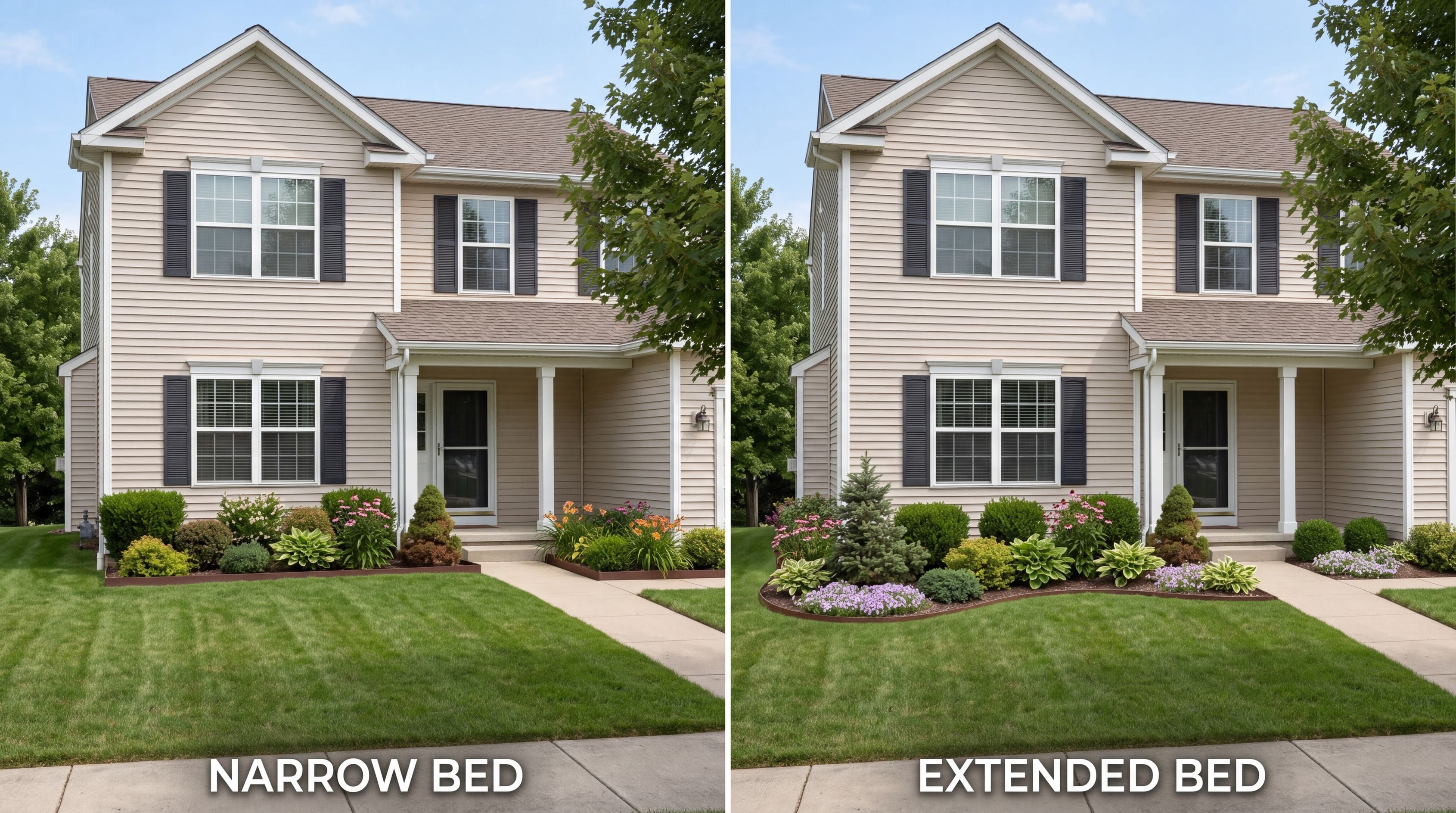
Imagine a two-story house with a narrow foundation bed extending only a few feet into the yard.
You can fill that strip with attractive shrubs, ornamental grasses, and flowering perennials. Every plant might be healthy and beautiful.
And from the street, the house can still look as though it's sitting behind a thin line of landscaping.
The problem isn't necessarily what you planted.
The planting area may simply be too small for the scale of the house.
A narrow bed creates practical problems, too. Put a substantial shrub near the foundation and it may already use most of the available depth as it matures. Try to add grasses or perennials in front and suddenly everything is competing for the same narrow strip of soil.
That usually leads to one of three things:
- plants get squeezed into a single line;
- shrubs get pushed too close to the house;
- or you keep choosing smaller plants because they're the only things that physically fit.
None of those decisions solves the original problem.
Sometimes widening a planting bed can improve the landscape more than adding another collection of plants. More depth gives you room for layers, allows plants to reach a believable mature size, and gives the landscaping enough visual weight to relate to the house behind it.
So before asking, “What should I plant here?”, ask:
“Is the space I'm trying to plant actually large enough to do the job?”
2. More Small Plants Don't Always Solve a Scale Problem
Maybe your planting beds are already large enough, but the house still seems to overpower the landscape.
So you add more.
Three shrubs. Some grasses. Flowers. A couple small evergreens.
The bottom few feet of the property become increasingly full, yet something still feels missing.
That can happen because quantity and scale aren't the same thing.
If nearly everything in the landscape occupies roughly the same low layer, adding more plants to that layer doesn't necessarily connect the garden to a much taller house.
Sometimes what the design needs is one plant large enough to matter.
That might be an ornamental tree near a corner of the house or a substantial structural shrub in the right location. Instead of adding more visual activity close to the ground, that larger element begins connecting the vertical scale of the architecture with the lower planting around it.
This is why an empty-looking landscape doesn't always need ten more small plants.
You can spend plenty of money filling the bottom few feet of a yard when what your eye is actually missing is something happening higher up.
3. Give the Backyard a Reason to Be Used
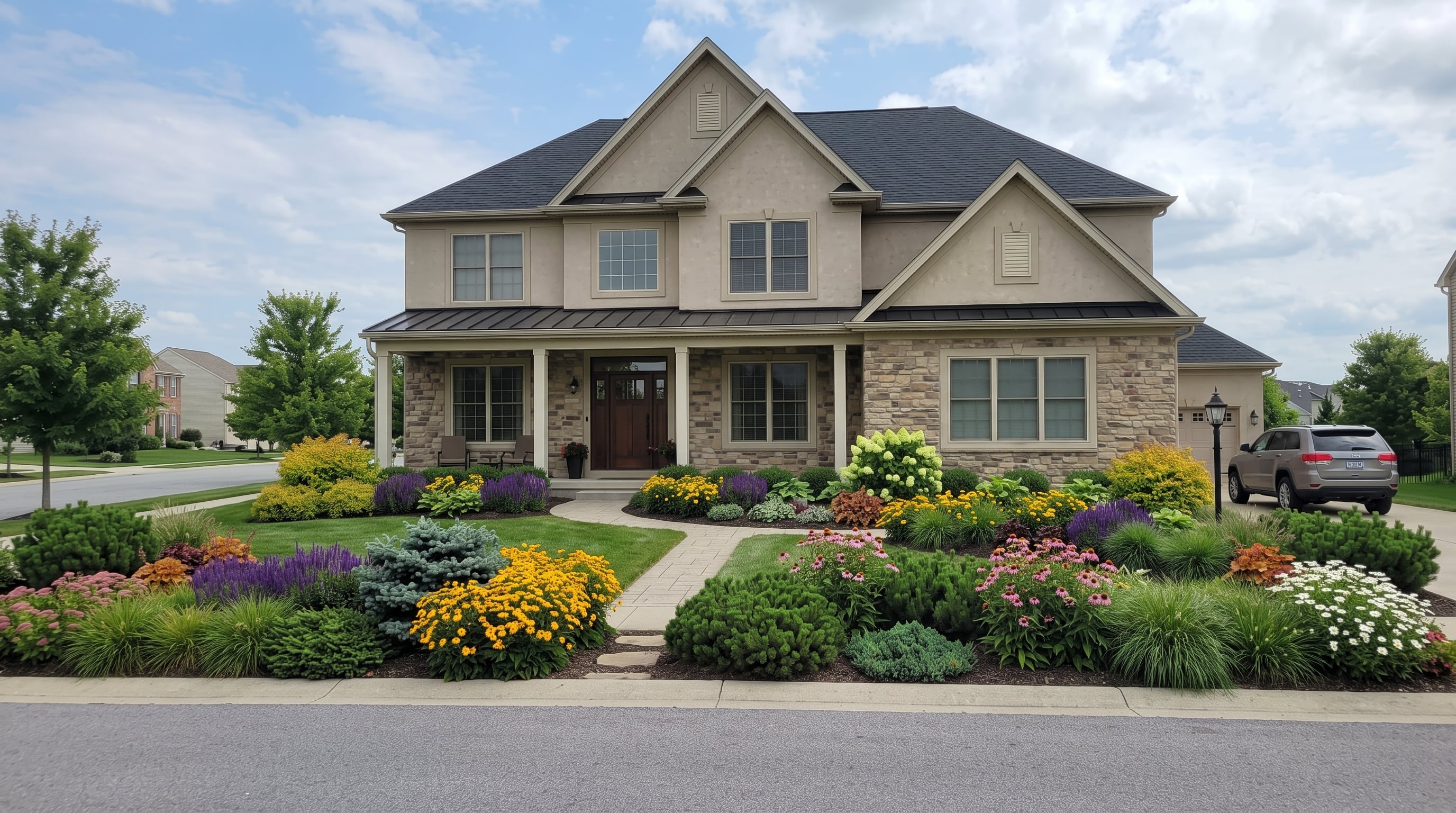
A backyard can have healthy lawn, attractive planting beds, and plenty of plants—and still feel strangely empty.
Nobody actually goes out there.
The usual response is to improve the landscaping.
Add another flower bed. Plant more shrubs around the perimeter. Fill in the fence line.
Now the backyard looks nicer from the kitchen window.
But everybody still stays inside.
Sometimes what the yard is missing isn't another plant.
It's a destination.
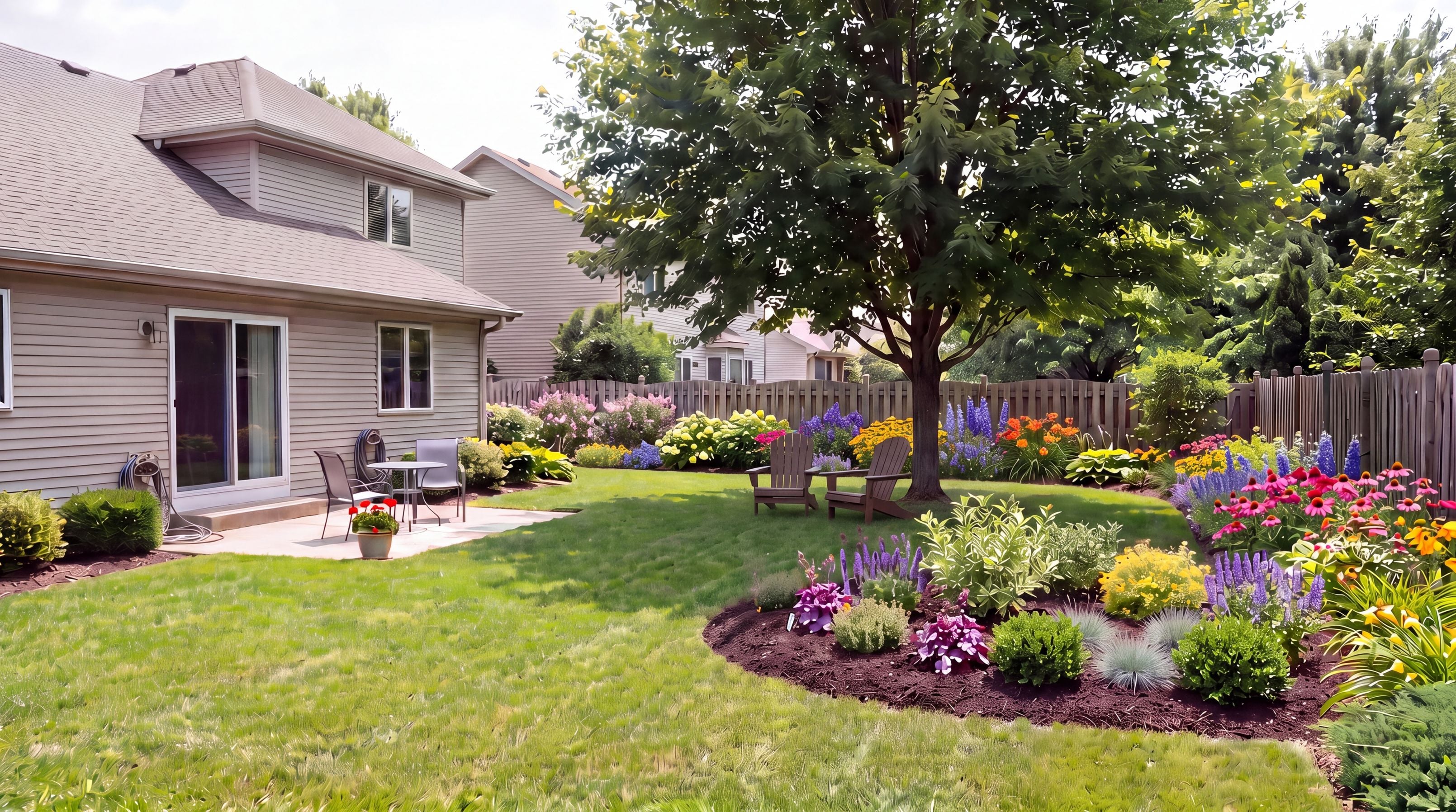
Maybe that means two chairs under a shade tree.
A small table where you can have coffee.
A bench at the far end of the garden.
A place where children actually want to play.
Anything that gives someone a reason to walk into the yard and stay there for a while changes the way the surrounding landscape functions.
Once you know where people are going to spend time, other design decisions become easier.
The tree provides shade for a place someone uses. Flowers surround a destination instead of simply filling the perimeter. Paths have somewhere meaningful to lead.
Now the plants have something to support.
4. Pay Attention to How People Already Move Through the Yard
There's a patch of lawn that dies every year.
You reseed it.
The grass returns.
A few months later, everyone has walked across it again.
It's tempting to think the lawn keeps failing.
But that worn strip may not be a maintenance problem at all.
It may be information.
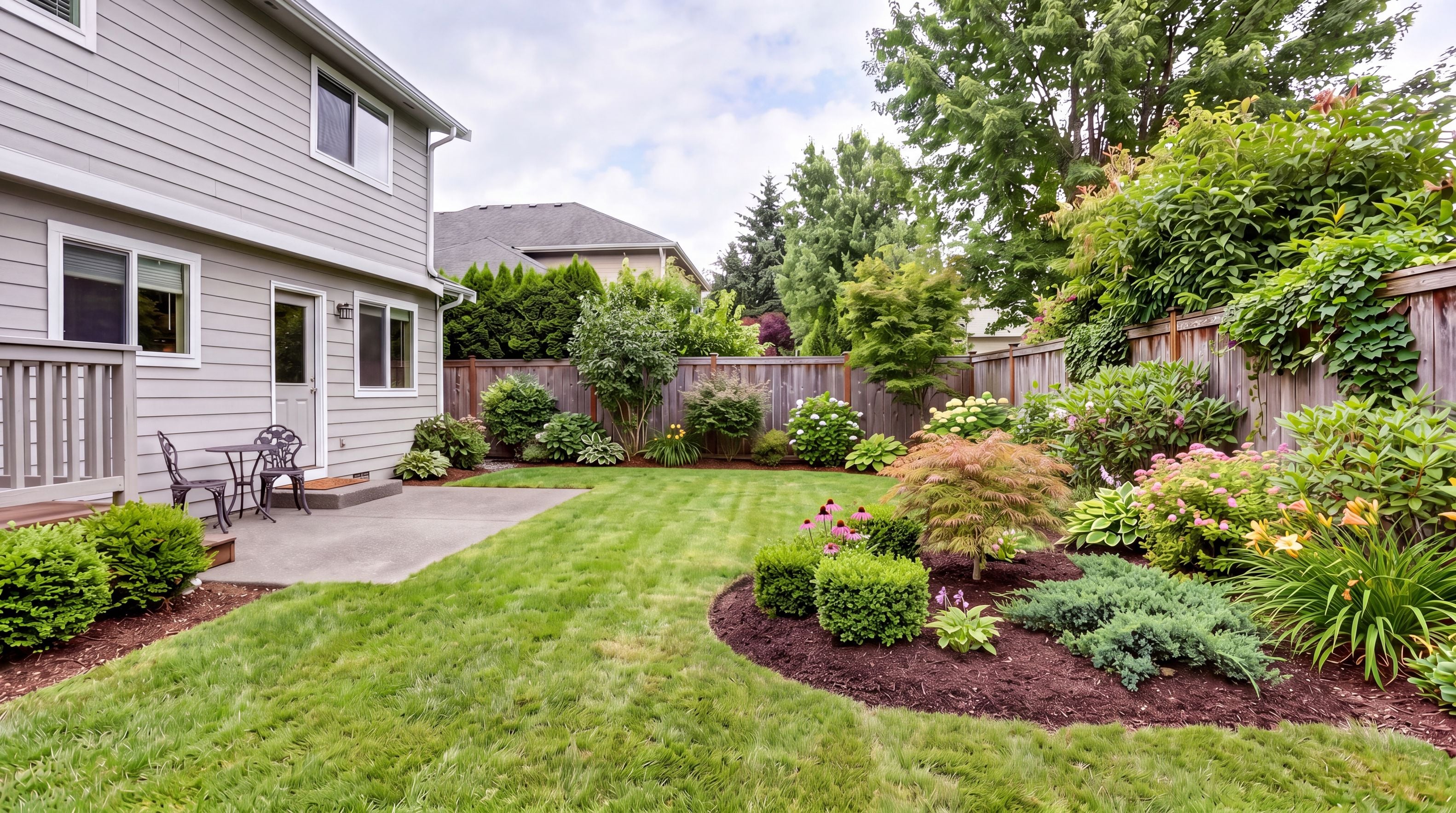
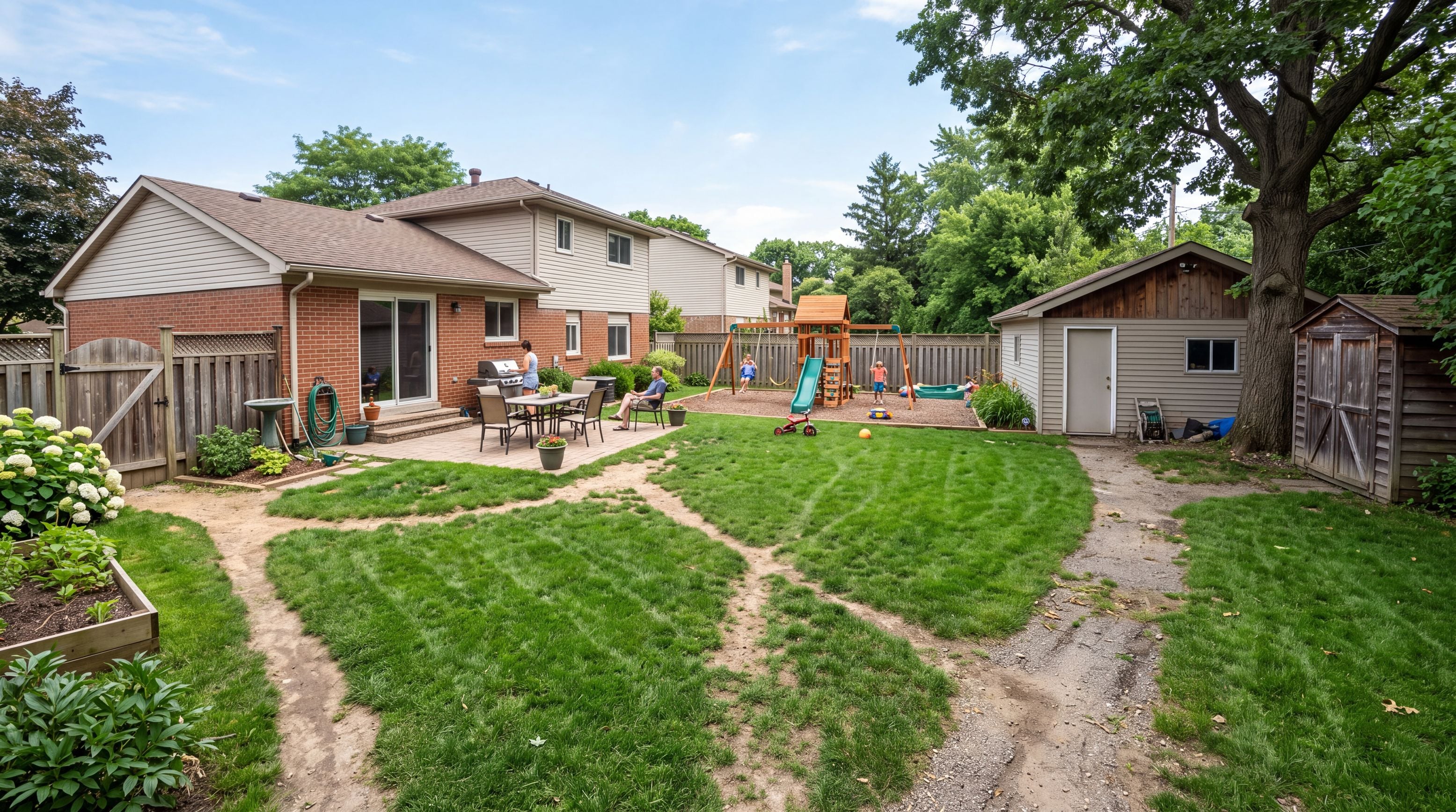
If everyone naturally walks from the driveway to the side gate along the same route, they're showing you where a path wants to be.
If the shortest route between the patio and the shed crosses the lawn, putting a shrub directly in that line probably won't convince people to take a longer route.
Doors, gates, garages, patios, sheds, play areas, and other destinations create movement through a property whether you deliberately designed that movement or not.
Watch those patterns before deciding where planting belongs.
Once circulation makes sense, you can design around how people actually use the yard instead of repeatedly trying to make people behave according to a landscape plan that never fit them.
Need Help Looking at the Bigger Design?
Before adding more plants, it helps to look at how the entire yard fits together.
Download the free 5 Yard Design Moves That Fix Almost Any Outdoor Space guide for practical ways to improve the structure and layout of your yard.
5. Figure Out What “Exposed” Actually Means
You have a patio that nobody enjoys sitting on.
It feels exposed.
The obvious solution seems to be privacy, so you plant along the fence. Eventually, the screening works beautifully.
And nobody sits on the patio.
Why?
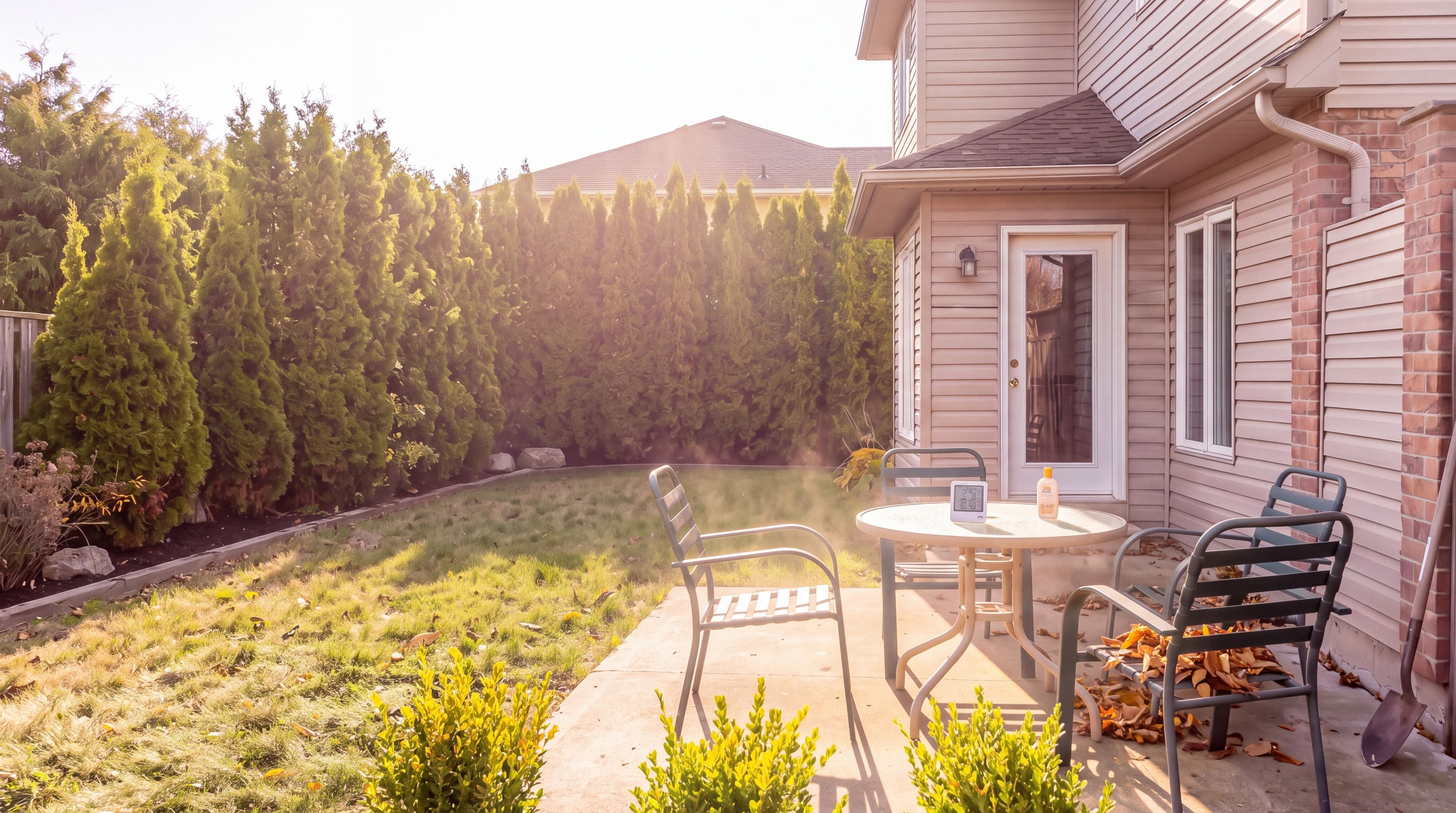
Maybe every summer afternoon the sun hits the seating area directly.
The plants successfully solved a privacy problem.
Privacy just wasn't the real problem.
Shade, privacy, and protection from wind can all make an outdoor space feel more comfortable, but they're not interchangeable.
One patio may need a particular neighbor's window screened.
Another may already have plenty of privacy but need afternoon shade.
Some spaces feel unpleasant because wind funnels around a corner of the house.
Before buying plants to fix a space that feels uncomfortable, spend some time standing in it.
Ask:
Where is the sun when I would actually use this space?
Where is the wind coming from?
What can I see from here?
What can other people see?
What specifically makes me want to leave?
Once you understand what “exposed” actually means in that location, you can choose a solution for the real problem instead of landscaping around a vague feeling.
6. Stop Buying Every Interesting Plant One at a Time
This problem often starts at the nursery.
You see a shrub you love, so you buy one.
On the next trip, an ornamental grass catches your attention.
Then something with purple foliage.
Then a Japanese maple.
Then a flowering perennial you've never grown before.
There's nothing wrong with any of those individual plants.
That's what makes the problem so easy to create.
Every purchase makes sense when you're looking at the plant by itself.
Then you step back from the finished yard and realize every plant is trying to have its own conversation.
At the nursery, plants are competing for your attention.
In your yard, they need to work together.
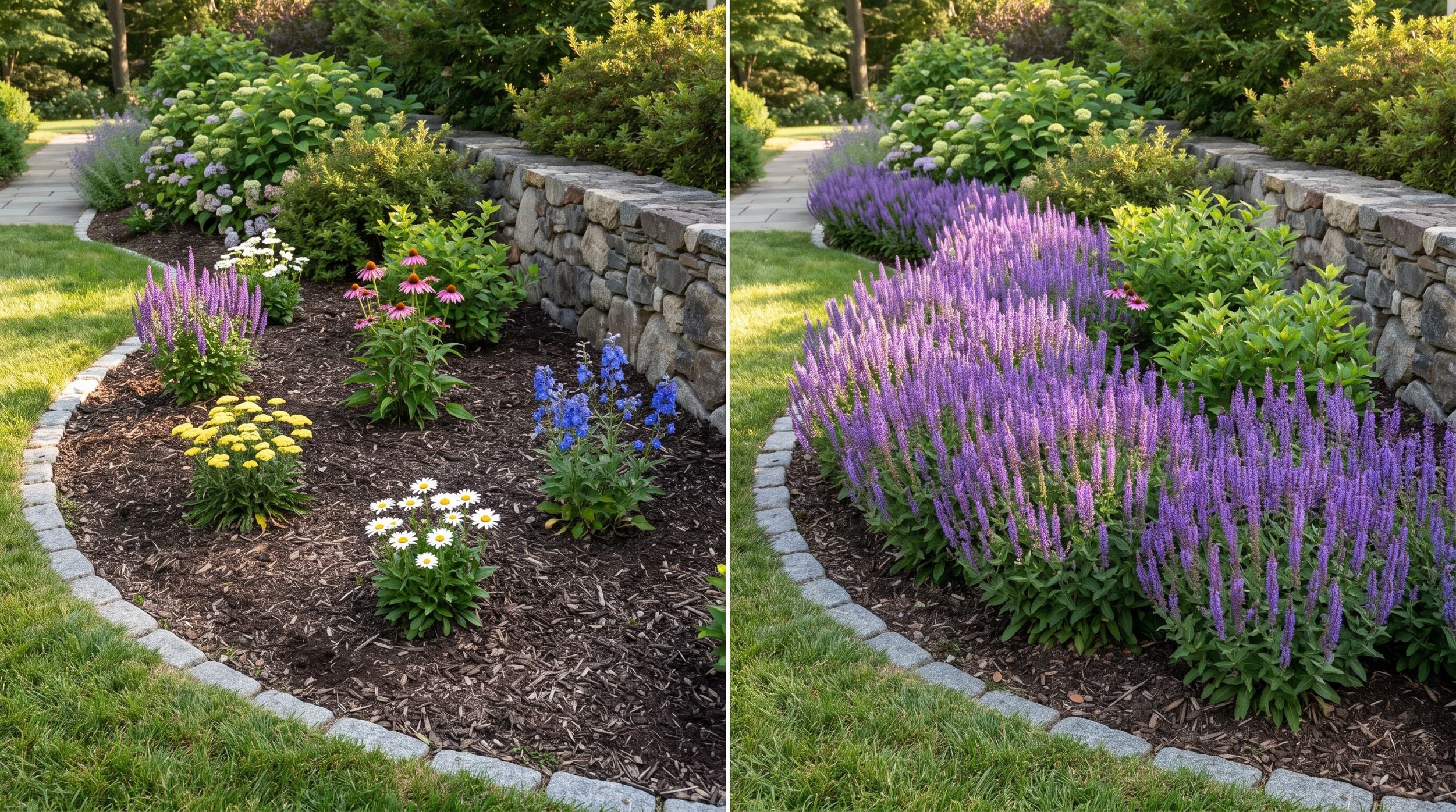
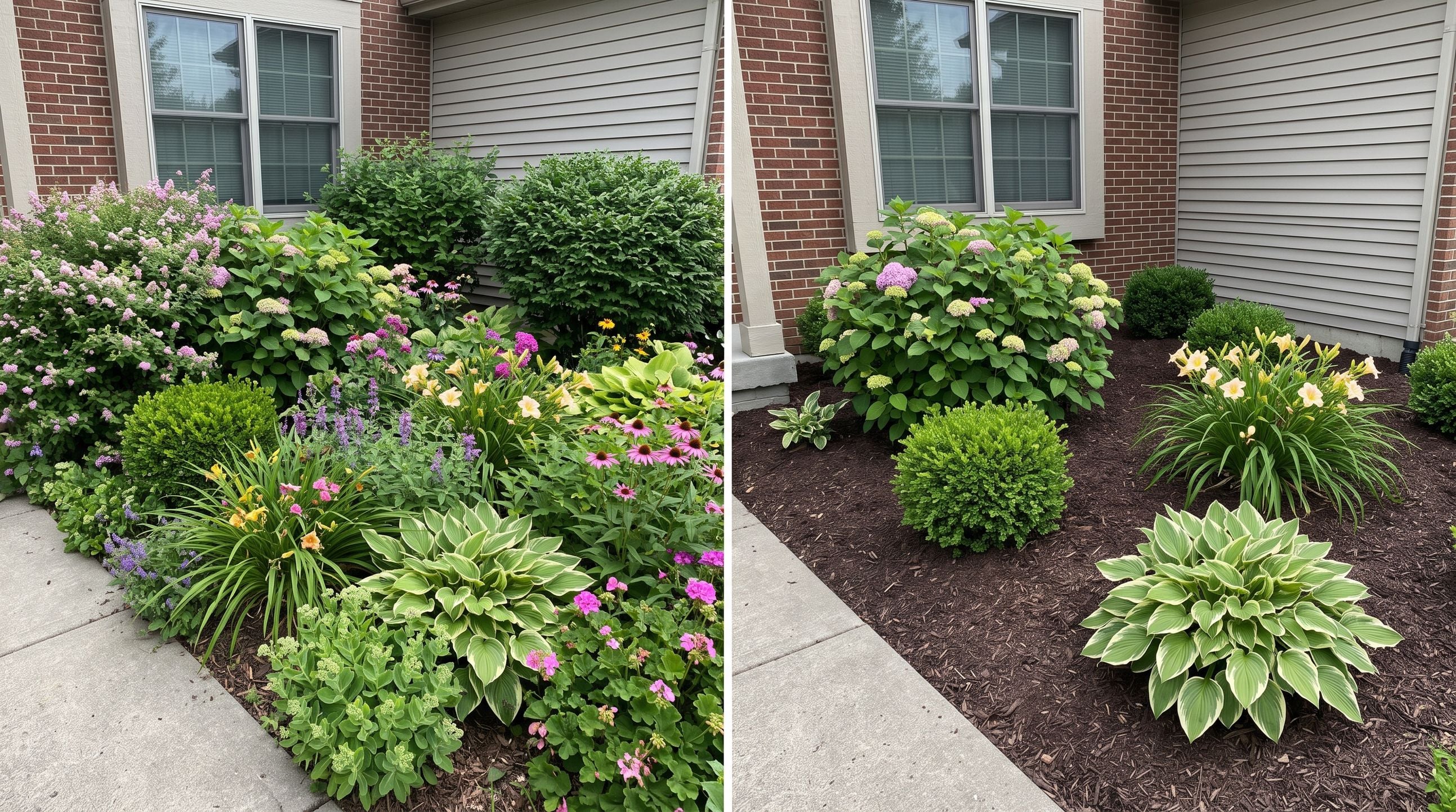
Sometimes a landscape containing twenty different plants would look more cohesive with fewer varieties repeated intentionally.
Instead of three unrelated shrubs, perhaps repeat the same shrub three times.
Instead of five different flowering plants appearing once each, create a larger drift of one.
Let one plant be the focal point and surround it with quieter supporting plants.
The goal isn't to make the garden boring.
It's to create enough repetition and hierarchy that the interesting plants actually stand out.
The yard may not need something new.
It may need the plants already there to feel more connected.
7. Try Removing Something Before You Add Something
When a yard feels unfinished, the natural instinct is to fill the gap.
Another shrub.
Another container.
Another small flower bed.
Another plant to make the area feel complete.
But sometimes an unfinished-looking yard is actually an unedited yard.
Maybe an oversized shrub blocks half the front of the house.
Two plants may be competing for exactly the same visual role.
A volunteer tree may have slowly filled an area that used to provide useful open space.
Or perhaps one beautiful plant is surrounded by several mediocre plants that make it almost impossible to notice.
Adding more around those problems rarely creates clarity.
It creates more visual activity.
Before buying something new, try asking a very different question:
What would happen if I removed one thing instead?
Remove the shrub hiding the entry.
Open the view toward the good tree.
Simplify an overcrowded planting bed.
Take out the plant that has never really belonged.
Subtraction can reveal structure that was already there.
Sometimes the landscape improvement you've been looking for comes home from the nursery in an empty trunk.
Diagnose the Yard Before You Shop for It
None of this means you should stop buying plants.
Plants are one of the best tools available for changing how a yard looks and feels.
They just work much better once you know what you're asking them to accomplish.
Before your next nursery trip, look at the yard itself.
Is the planting area large enough?
Does the landscaping have enough scale for the house?
Is there a reason to use the space?
Does circulation match the way people actually move through the property?
Is an uncomfortable patio really lacking privacy—or does it need shade or shelter instead?
Are your plants working together?
And does the landscape genuinely need something added?
Once those decisions are right, the plants you do buy have a much better chance of creating the change you were hoping for.