Planning Your Yard for Spring? Make These 7 Decisions Before You Buy Plants
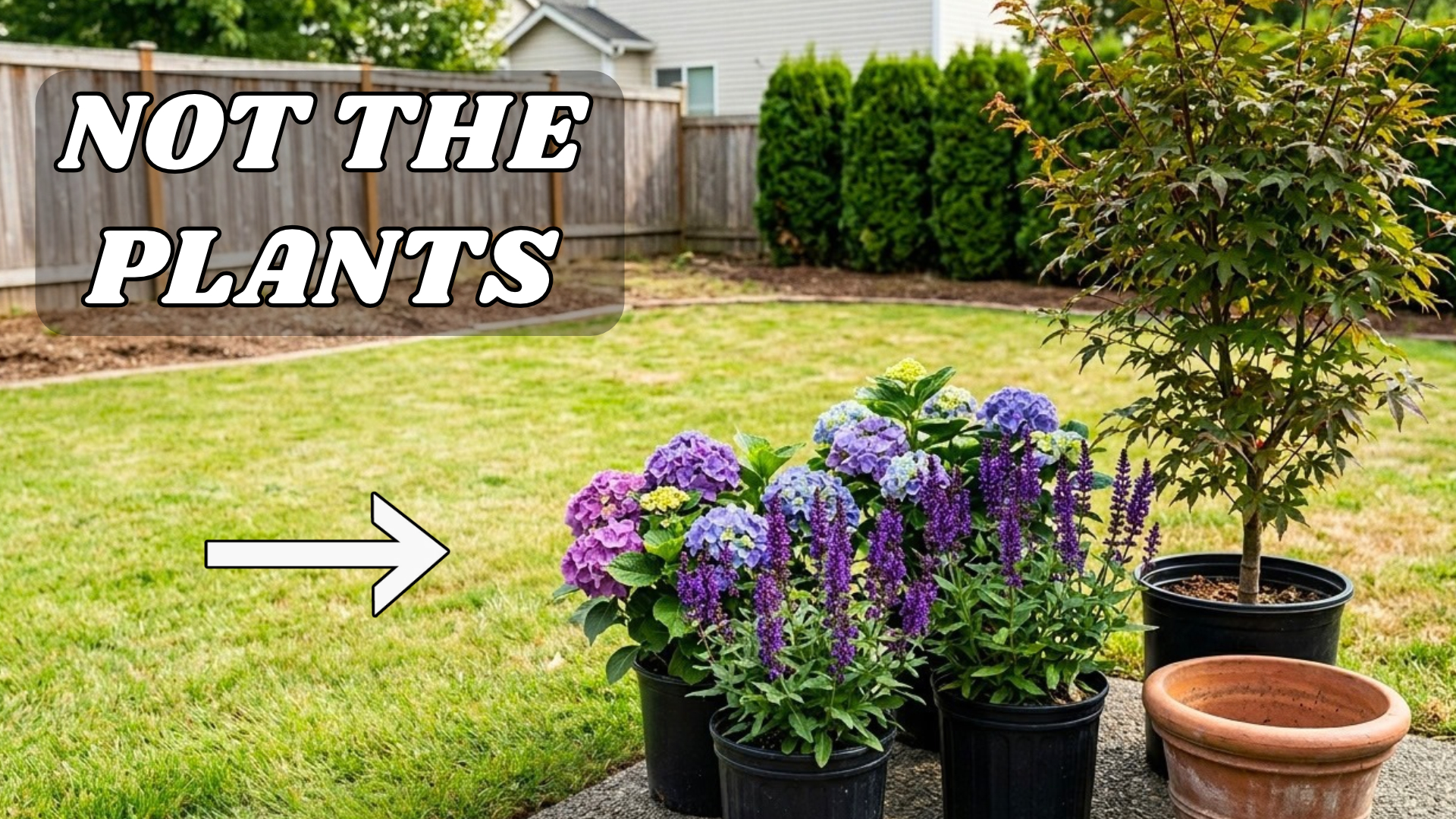
Spring is when most homeowners start getting serious about the yard.
The weather improves. Garden centers fill up. Empty planting beds suddenly seem impossible to ignore.
So you buy a plant. Then another. Maybe some mulch. Maybe you start a new bed.
And a few months later, you've spent plenty of money without being completely sure the yard is actually getting better.
The problem isn't that you started too late. It's that some of the most important landscaping decisions should happen before you start shopping.
A better spring yard often starts with planning during the quieter months, when you're not standing in a garden center surrounded by things you suddenly want.
What Should You Decide Before Landscaping in Spring?
Before buying plants or starting another project, decide how much maintenance you want, what conditions you're done fighting, what should stay, where to focus first, what the yard needs to do, what you want it to feel like, and what problem you're actually trying to solve.
Those decisions give everything you buy later a purpose.
Prefer to Watch?
#7 — Decide How Much Yard You Actually Want to Maintain
When homeowners picture their ideal yard, they usually picture the finished result.
Large flower beds. Beautiful borders. Perfect hedges. An immaculate lawn.
What we don't always picture is the time bill attached to those decisions.
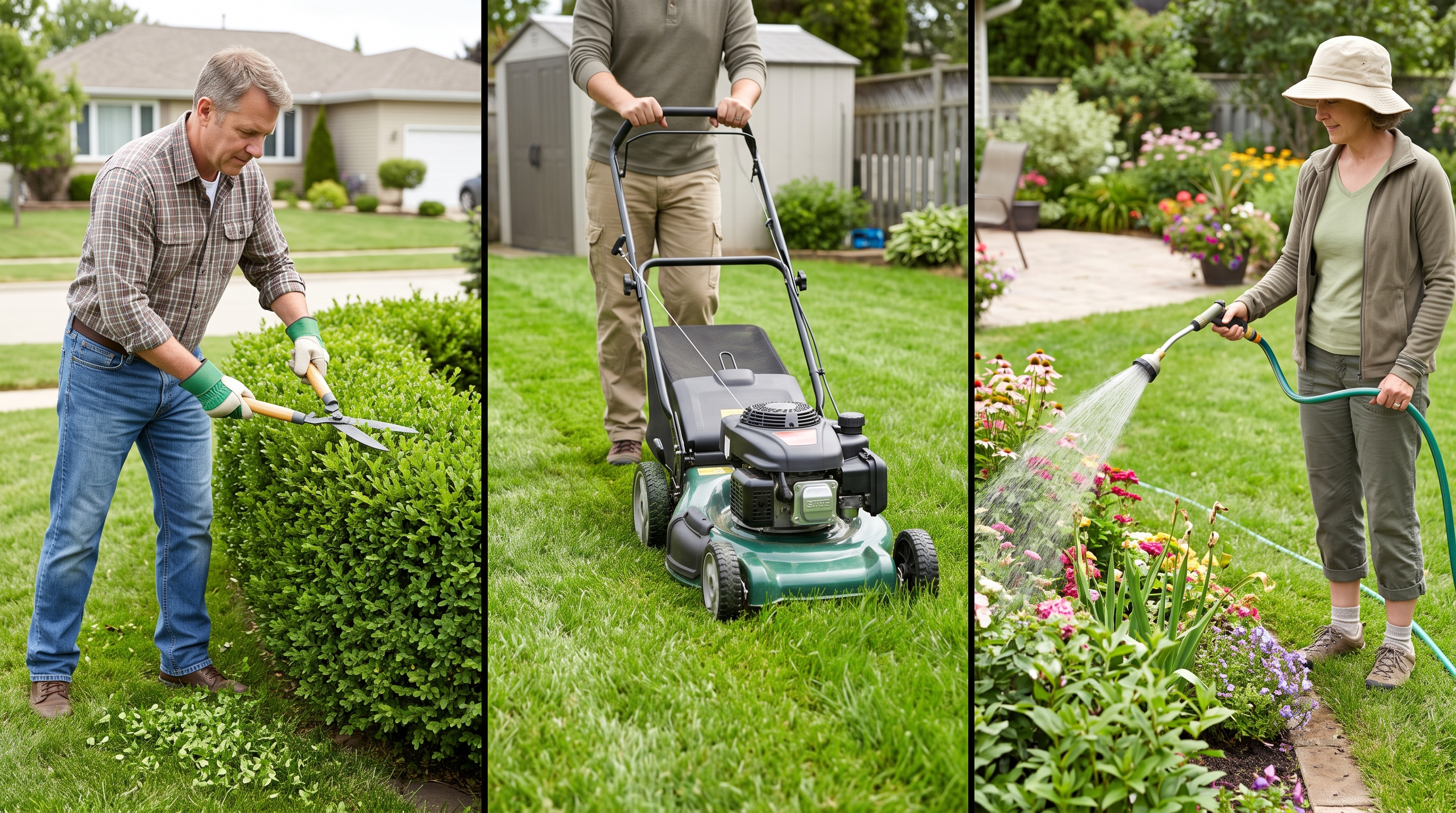
Hedges need trimming.
Lawns need mowing.
Some flowers need deadheading.
Some plants need dividing or regular watering.
Seasonal cleanup takes time.
None of that means a higher-maintenance yard is bad. If gardening is one of your favorite hobbies, maintaining a more elaborate landscape may be part of the enjoyment.
But if your ideal Saturday morning involves drinking coffee outside instead of spending three hours pruning shrubs, that should influence the design.
Before spring, decide what your maintenance ceiling actually is.
Ask yourself:
Do I want gardening to be a hobby, or do I want the landscape to mostly take care of itself?
How much regular watering am I willing to do?
How much seasonal cleanup sounds reasonable?
Do I want plants that require frequent pruning?
How much lawn am I actually willing to mow?
There's often a difference between the yard we enjoy looking at and the yard we'll enjoy living with.
The right landscape isn't necessarily the one with the most landscaping.
It's the one you'll still be willing to maintain several years from now.
#6 — Decide What You're Done Fighting
Almost every property has an area the homeowner seems to battle year after year.
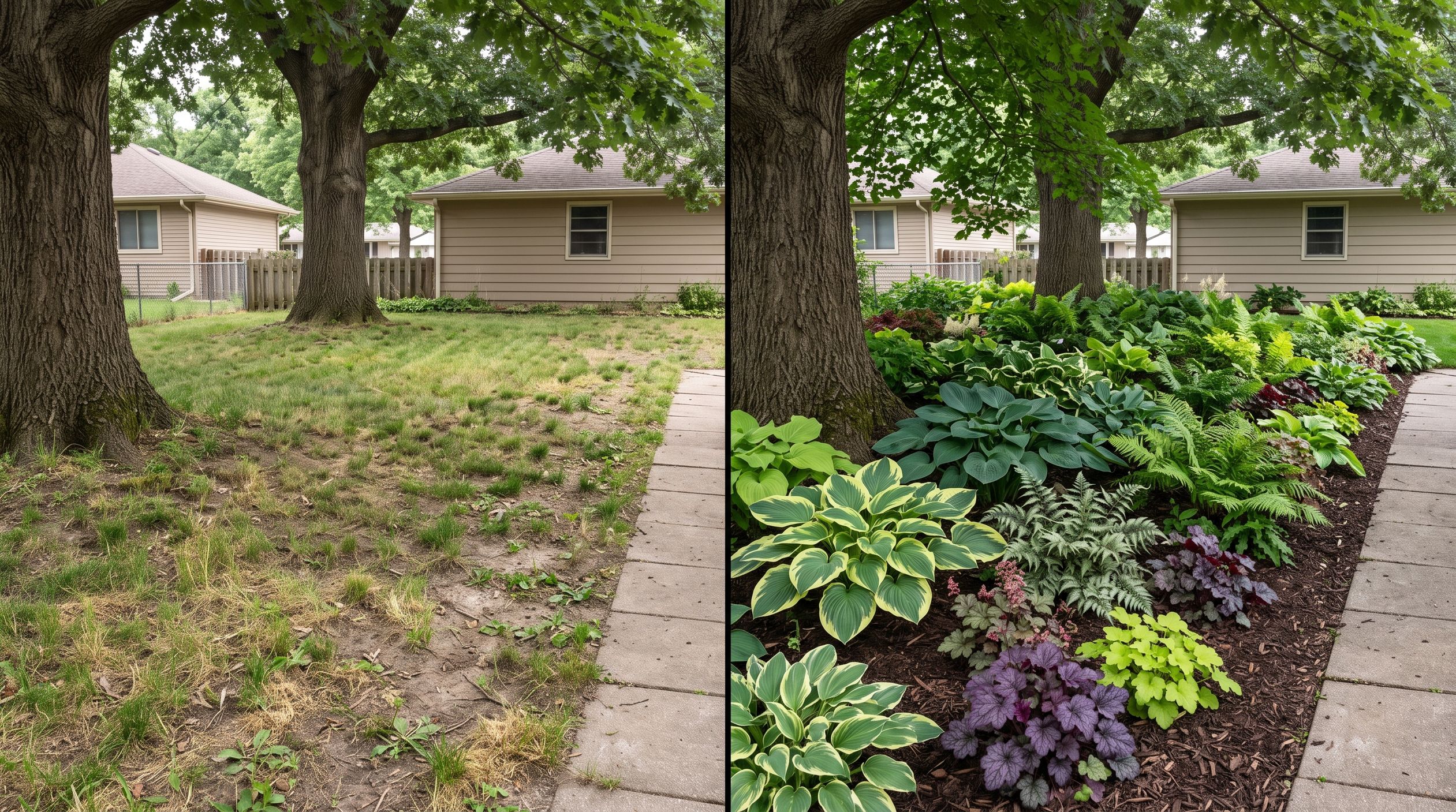
Maybe it's grass beneath a large mature tree that never fills in properly.
Every spring, you seed it.
Every summer, it disappears again.
Or maybe it's a sunny strip beside the driveway where plants repeatedly struggle. A shady side yard. A wet corner. A steep slope. Persistent deer pressure. Tree roots. Wind. Difficult soil.
Eventually, it's worth asking a different question:
Do I actually need to fix this—or do I need to design differently around it?
Maybe the shady area doesn't need better grass. Maybe it shouldn't be lawn.
Maybe the hot strip beside the driveway doesn't need constant extra watering. Maybe it needs plants better suited to that location.
Maybe the wet corner doesn't need to behave like the driest part of the yard.
Sometimes good landscape design begins when you stop trying to force one part of the property to become something it clearly doesn't want to be.
Before spring, identify one fight you're ready to stop repeating.
That decision alone may prevent you from spending another season buying replacements for the same failed solution.
#5 — Decide What Has Earned the Right to Stay
Homeowners often treat everything already in the landscape as permanent.
There's a shrub there because there's always been a shrub there.
The tree was there when you bought the house.
That little island bed has existed for years.
So when you plan something new, you automatically design around all of it.
But existing and valuable are not the same thing.
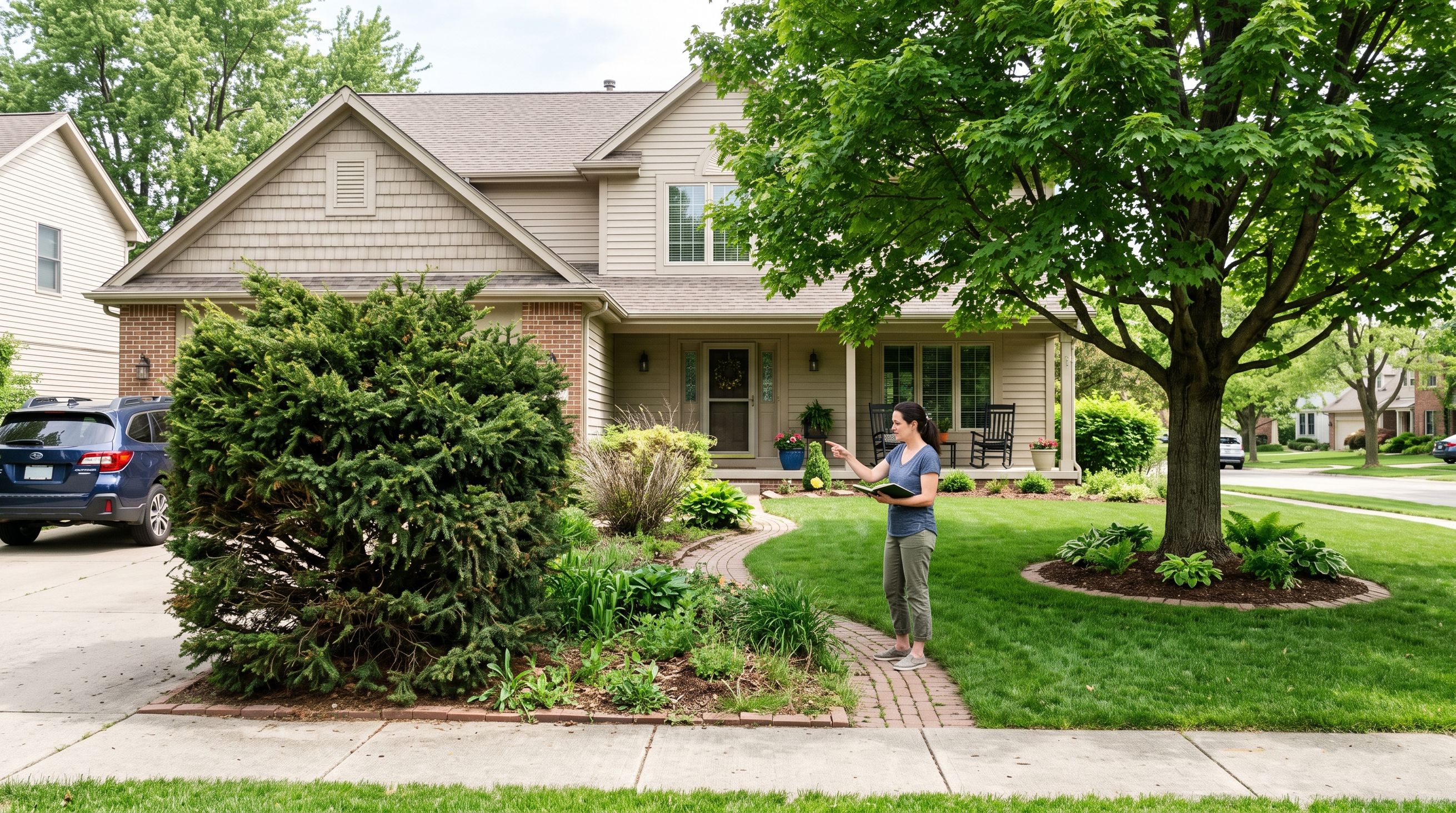
An old shrub may require constant pruning just to keep it below a window.
A badly positioned plant may have outgrown the space it was originally given.
A random planting bed may create more mowing and maintenance without contributing much to the design.
At the same time, one mature tree may provide shade, privacy, structure, and character that would take decades to replace.
Before you decide what to add, take inventory of what you already have.
Ask:
What genuinely improves the yard?
What would I miss if it disappeared?
What provides important shade, privacy, scale, or structure?
And what am I maintaining mainly because removing it feels like a decision?
Figuring out what deserves to stay can be more important than deciding what to buy.
Otherwise, you may spend this spring redesigning an entire part of the yard around something you remove two years from now.
#4 — Decide Where You're Going to Focus First
One of the hardest parts of improving a yard is that you can usually see too many problems at once.
The foundation planting could be better.
The patio needs work.
You want privacy along the fence.
The side yard feels forgotten.
The entry could use more attention.
You want more flowers.
Maybe the lawn is struggling.
Because everything seems unfinished, it's tempting to spread your effort everywhere.
A few plants here.
Mulch over there.
One new chair.
Start another bed.
Buy a tree.
Then the budget is gone and five different parts of the yard are slightly better.
I'd rather see one important area become dramatically better.
Ask:
What part of the yard would change my experience of the property the most if it worked properly?
Maybe it's the front entry because you see it every day.
Maybe it's the patio because nobody currently uses it.
Maybe privacy is the thing preventing you from enjoying the backyard.
Maybe it's one unattractive area you look at through the kitchen window every morning.
Pick the first zone.
You're not deciding that nothing else will ever improve.
You're simply deciding where the next dollar and next hour should go.
One area that genuinely feels resolved is usually more satisfying than five half-started projects.
#3 — Decide What the Yard Needs to Do
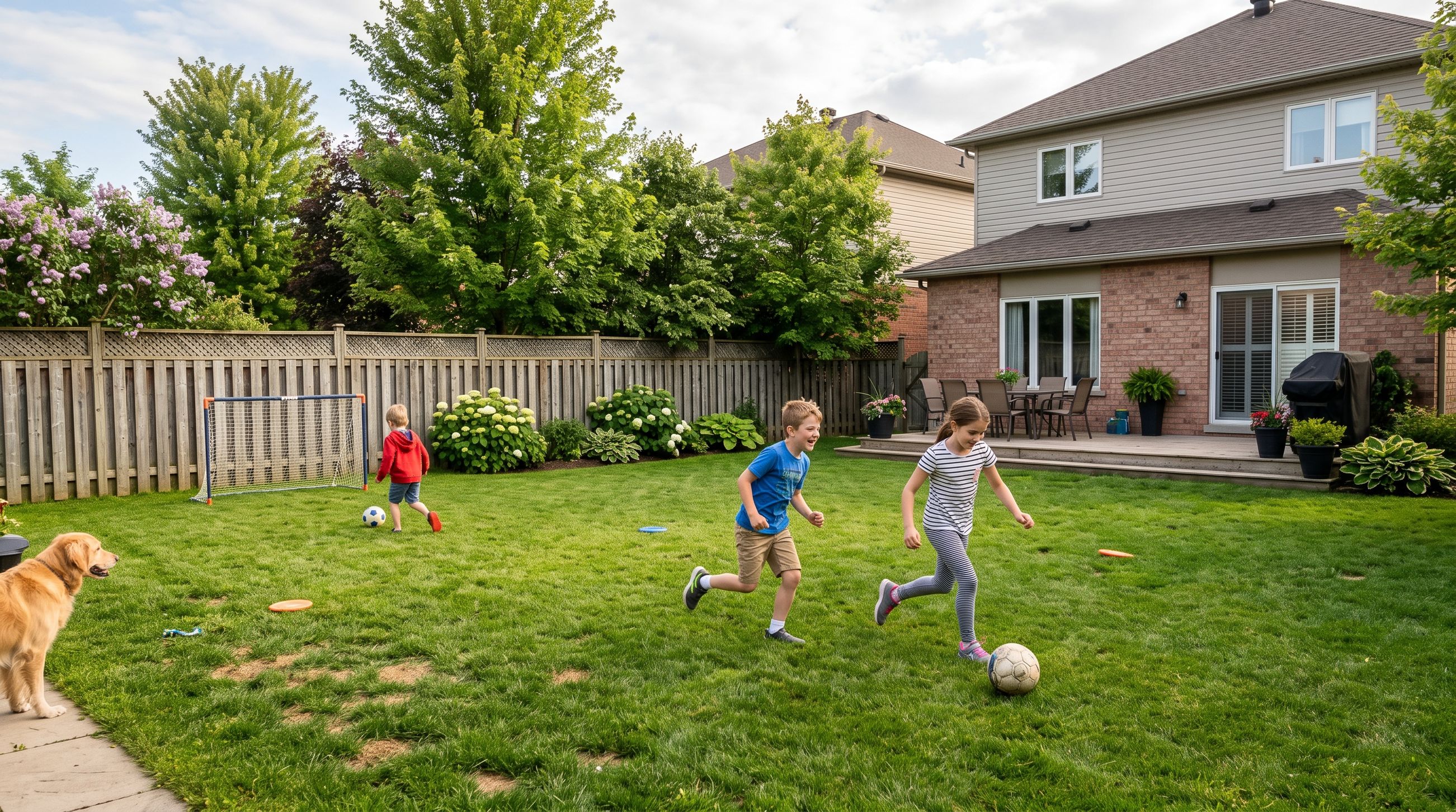
Before deciding what your yard should contain, decide what it needs to do.
This seems obvious, but it's easy to skip.
A backyard can photograph beautifully and still be completely wrong for the people living there.
Maybe you need somewhere six people can eat outside.
Maybe your children genuinely use an open lawn.
Maybe the dog needs running space.
Maybe you need privacy.
Or shade.
A vegetable garden.
One comfortable evening sitting area.
The front yard may have completely different jobs. Perhaps it needs to frame the house, make the entrance easier to read, and create a stronger view from the street.
Those are functions.
And once you identify them, many other design choices become easier.
If you need privacy, height and placement become important.
If you need outdoor dining, circulation matters.
If children use the lawn, replacing half of it with planting beds might make the landscape prettier but the yard less useful.
If you dislike maintenance, that immediately affects plant selection.
Function should come before style.
Because a yard that looks beautiful but constantly interferes with the way your household actually lives isn't really working.
#2 — Decide What You Want the Yard to Feel Like
Once you know what the yard needs to do, you can start thinking about style.
But you don't need to become an expert in landscape-design terminology.
You simply need a visual north star.
Do you want the yard to feel:
relaxed and natural;
clean and contemporary;
classic and structured;
cottage-like and romantic;
warm and rustic;
or bold and eclectic?
Without some kind of direction, it's incredibly easy to build a landscape from individually beautiful things that don't belong together.
You see a sleek modern planter and love it.
Then a romantic cottage border catches your attention.
Then rustic stone.
Then a formal clipped hedge.
Then a Japanese maple.
Every individual decision may be attractive.
Together, the yard can feel confused.
A loose style direction gives you a filter:
Does this belong in the yard I'm trying to create?
It doesn't need to become a rulebook. The goal is simply to create enough consistency that your individual choices start supporting the same overall feeling.
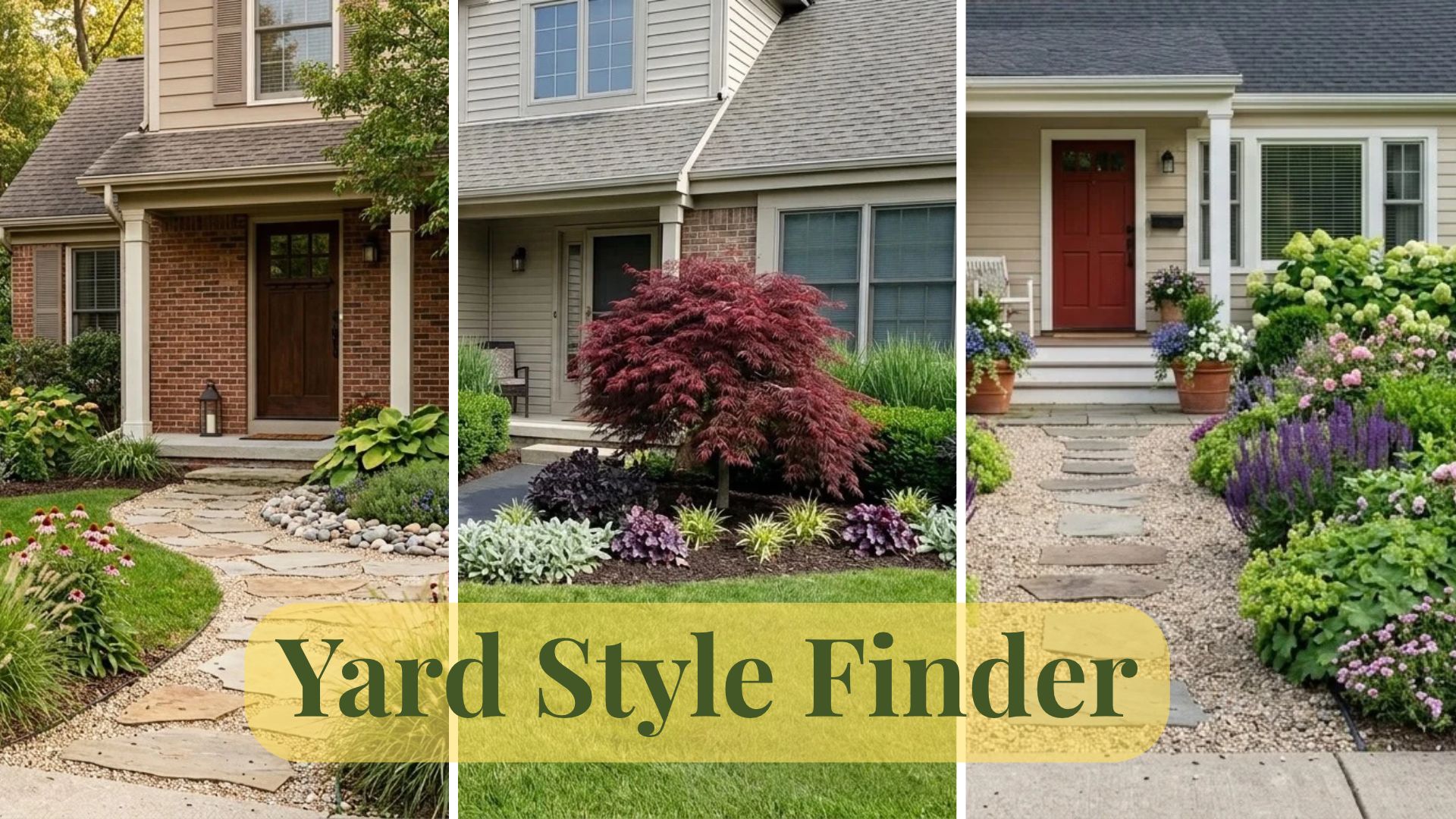
Find Your Yard Style
If you're not sure which direction naturally appeals to you, use the free Yard Style Finder.
It walks you through a series of visual choices to help identify the style direction you gravitate toward.
#1 — Decide What Problem You're Actually Trying to Solve
This is the decision that affects almost everything else.
When homeowners see a yard they don't like, they tend to jump directly to solutions.
“I need more plants.”
“I should put a tree there.”
“We need a patio.”
“I should add another bed.”
But those aren't problems.
They're answers.
And if you haven't figured out the question, you don't know whether they're good answers.
Instead of beginning with:
What should I add?
Start with:
What isn't working?
Maybe the house feels too exposed from the street.
Maybe the front yard feels flat because everything is approximately the same height.
Maybe the patio already exists, but nobody uses it because the afternoon sun makes it miserable.
Maybe the backyard isn't ugly—it simply has no destination.
Maybe every part of the landscape feels unrelated.
Maybe the yard looks perfectly respectable, but maintaining it takes far more time than you want to spend.
Those are actual problems.
And each one can lead to a very different solution.
Privacy might require planting—but it could also mean changing where you sit.
A hot patio could benefit from a shade tree, a pergola, or moving the seating area.
An empty-looking front yard may need additional planting—or the real problem could be that every plant is trapped inside one narrow strip against the foundation.
Before spring, try finishing this sentence:
“My yard would be better if…”
If you can answer that clearly, you're getting much closer to knowing what deserves your money.
If you can't answer it yet, be careful about filling a cart just because everything at the garden center suddenly looks irresistible.
Plants are answers.
Patios are answers.
Fences are answers.
New planting beds are answers.
Before choosing the answer, understand the problem.
Use the Off-Season to Build the Plan
Fall and winter are underrated times to improve a yard.
Not because you need to spend January digging holes.
Because slower seasons give you something that becomes surprisingly difficult to find once spring arrives:
time to think.
Decide how much maintenance you want.
Stop fighting one condition the property keeps showing you.
Figure out what deserves to stay.
Choose your first priority area.
Decide what the yard needs to do.
Give yourself a style direction.
And most importantly, understand the problem you're trying to solve.
Then, when spring arrives and the garden center is full again, you aren't wandering the aisles hoping the right idea jumps into your cart.
You already know what you're looking for.
You're not shopping for ideas.
You're shopping for a plan.